

Research Yields Additive Options
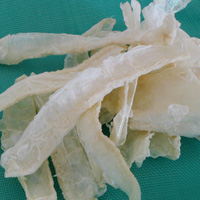
In April we reported on an HMC research project with the Chulalongkorn University (Bangkok, Thailand) looking at material benefits based on the use of chitosan as a polypropylene additive.
Chitosan, used as an anti-microbial additive to polypropylene offers benefits of being natural, biodegradable and non-toxic. The material is a biopolymer of linear polysaccharide composed mainly of D-glucosamine and is produced commercially by the deacetylation of chitin.
Chitosan is obtained from crustacean shells (such as crabs and shrimp) which can be sourced as a waste product from the food industry.
The objective of the project was to study the effectiveness of chitosan as a anti-microbial agent at concentrations of 1%, 2% and 4%.
In reviewing the impact of mixing chitosan in polypropylene we ran tests comparing the physical properties of each formulation. It is important to note that due to the abundance of hydrophilic groups, chitosan does not melt when mixed with polypropylene.
To solve this problem, various chemical modifications such as the addition of hexanoylation to introduce hydrophobic moiety to chitosan were studied. As a result of those test, the blending of hydrophobe chitosan with PP is now deemed possible.
For this project, a polypropylene/soy oil grafted chitosan (SO-CTS) composite was prepared. The resulting SO-CTS powder was mixed with PP resin using a twin-screw extruder to obtain a masterbatch containing 10% wt SO-CTS.
Following the research, we found that a mix of chitosan less than 4% will not impact the physical properties of PP and can provide an acceptable anti-microbial result when tested with S. Aureus bacteria.
At HMC, we manufacture a significant volume of isotactic polypropylene for the synthetic fibres and textiles market.
The properties of iPP fibres can be enhanced by melt mixing with fillers including particulates such as pigments, antioxidants, nucleating agents as well as by melt blending with other polymers.
Natural fillers can offer advantages of cost effectiveness and renewability. This research into chitosan indicates that it may be a promising candidate due to biodegradability, non-toxicity and antimicrobial activity.
HMC Polymers is constantly seeking innovation for customers to enable them to stay at the leading edge of PP technology providing new processing and end-use benefits.