

HMC Polymers Participates in an event “Connecting Thailand’s Petrochemical Supply from Upstream to End Users”
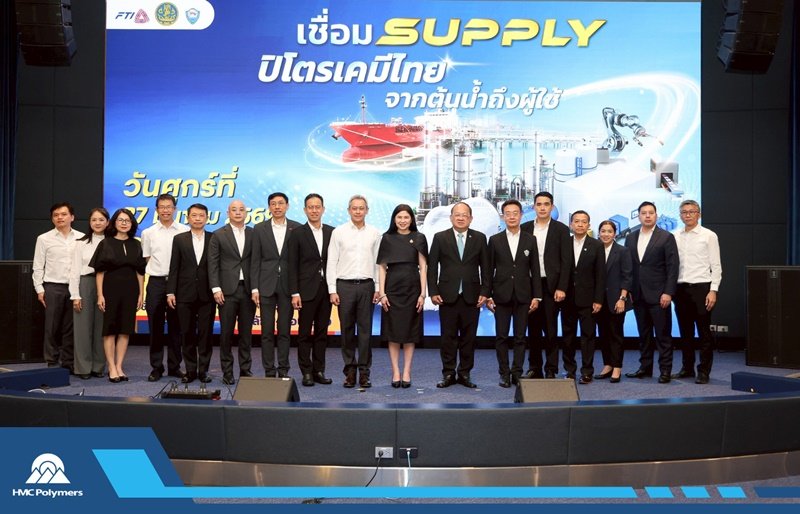
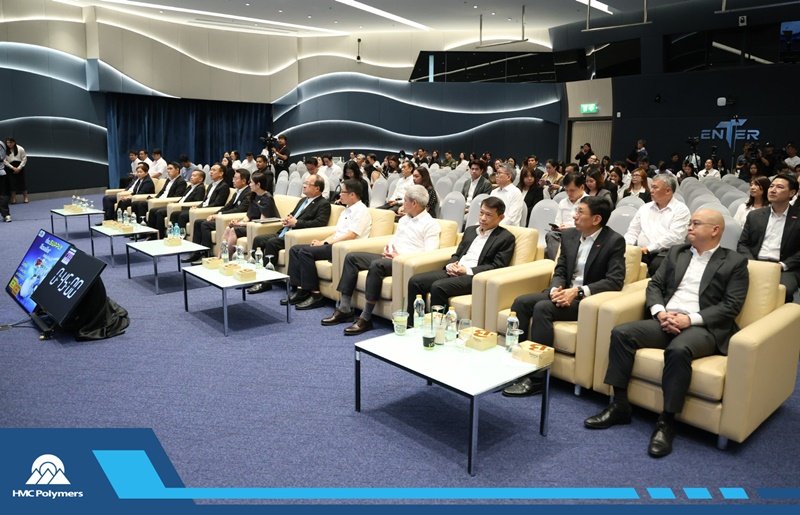
On March 27, 2026, the Ministry of Commerce, in collaboration with the Federation of Thai Industries (FTI), the Thai Chamber of Commerce, and the Board of Trade of Thailand, along with private petrochemical producers—including PTT Public Company Limited, PTT Global Chemical Public Company Limited, SCG Chemicals Public Company Limited, IRPC Public Company Limited, Dow Chemical Thailand Limited, and HMC Polymers Company Limited (HMC Polymers)—organized the event “Connecting Thailand’s Petrochemical Supply from Upstream to End Users” at Enterprise Hall, EnCo Terminal (EnTer), Vibhavadi Rangsit Road, Bangkok. The event aimed to update the current status of Thailand’s petrochemical industry and strengthen collaboration among producers, distributors, and end-users for the efficient management of the petrochemical and plastic resin supply chain. Attendees included Ms. Arada Fuangtong, Director-General of the Department of International Trade, Ministry of Commerce; Mr. Kriengkrai Thiennukul, Chairman of the Federation of Thai Industries (FTI); Dr. Visit Limlurcha, Vice Chairman of the Thai Chamber of Commerce; along with representatives from petrochemical producers, who participated in a panel discussion on “The Situation and Cooperation in Thailand’s Petrochemical Supply Chain.”
Ms. Arada Fuangtong noted that the global economic and trade situation remains volatile due to multiple factors, particularly geopolitical tensions in certain regions, which affect energy prices, raw materials, and international logistics. The Ministry of Commerce continues to provide support through trade information, global market monitoring, measures to assist operators, and facilitating cooperation so that the industry can conduct business with confidence. This event served as an important platform for exchanging data, facts, and perspectives between the public and private sectors across the supply chain to jointly develop strategies for a stable, resilient, and competitive supply chain in the long term.
Mr. Kriengkrai Thiennukul added that tensions in the Middle East have significantly impacted the petrochemical industry across the supply chain, increasing upstream production costs due to raw material prices, logistics, and insurance.
Meanwhile, the midstream industry, especially the plastics sector, faces rising plastic resin prices of 50–70%, while downstream industries such as food, packaging, pharmaceuticals, and cosmetics must absorb increased costs. SMEs are particularly affected by higher raw material and transportation expenses.
To address these challenges, FTI recommends that the government and private sector closely monitor and manage raw material supplies, promote information exchange across upstream and downstream industries, diversify import sources, and prioritize domestic raw materials to strengthen Thailand’s supply chain ecosystem.
Additionally, FTI advocates the use of alternative materials, such as bioplastics, recycled plastics, or other substitutes, and the adoption of technology and AI to improve efficiency and reduce costs in the medium to long term. Emphasis is also placed on clean energy and domestic renewable resources to reduce foreign dependence and maintain global competitiveness amid the trend of deglobalization.
Petrochemical producers stated that production remains stable and capable of meeting domestic demand. Polyethylene (PE) resins, used for packaging such as bottles, caps, and carrier bags, continue to have a sufficient supply. Polypropylene (PP) resins, used in food packaging like pouches, hot bags, and plastic containers, may experience some tightness at times, but the industry can still manage supply effectively despite geopolitical challenges.
Producers emphasized a “Domestic First” approach, prioritizing the local market while managing inventory, delivery planning, and product distribution to prevent shortages in certain industries. They also collaborate with operators across the supply chain to plan demand and support the use of alternative raw materials to enhance system flexibility, ensuring a continuous and reliable supply.
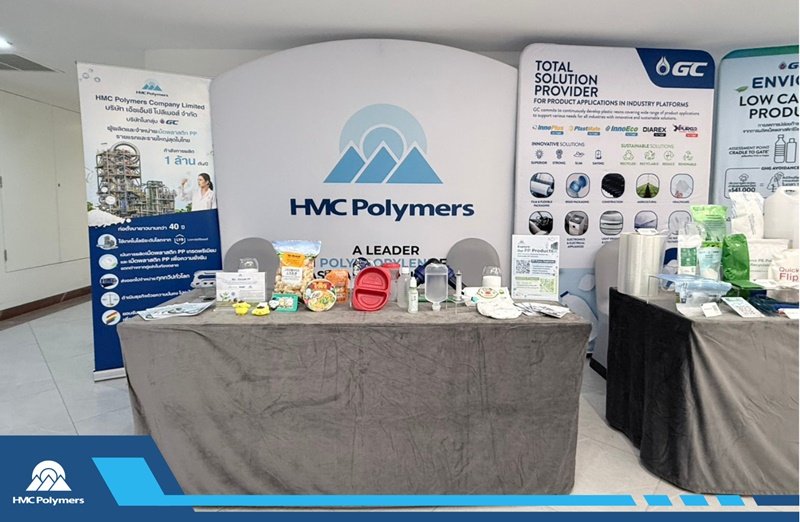
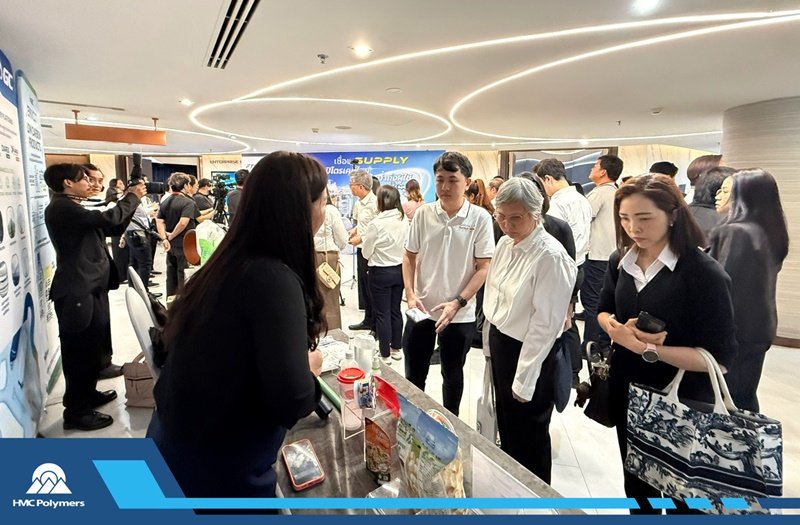
The event also featured a Technical Clinic, serving as a central hub connecting plastic resin experts with end users to provide consultation, problem-solving, and technical support, helping ensure smooth production processes and appropriate use of substitute pellets. This initiative aims to enhance the overall efficiency of Thailand’s petrochemical supply chain.